DIAPULSE® TECHNOLOGIES
Pulsed Radio Frequency Energy (PRFE) Therapeutic Systems
CLINICAL BRIEF
For Hospital Burn Centers, Trauma Units, Wound Care Programs & Plastic Surgery Departments
| 60+ | 7 Days | 73% | ZERO | FDA |
|---|---|---|---|---|
| Years of Clinical Research | 2nd-Degree Burn Healing Documented | Demonstrated Pain Reduction | Side Effects or Banned Substances | Approved Pulsed RF Energy Device |
THE BURN CARE BREAKTHROUGH YOUR PATIENTS NEED
Burn injuries remain among the most painful, complex, and costly conditions treated in modern hospitals. Every additional day a burn patient spends in a hospital bed represents thousands in direct care costs, increased infection risk, and prolonged suffering. For burn centers managing patients with second- and third-degree burns, post-surgical skin graft recovery, and chronic wound complications, the need for therapies that accelerate healing without adding pharmaceutical burden is critical.
Diapulse® is a clinically validated, FDA-indicated Pulsed Radio Frequency Energy (PRFE) therapeutic system with over 60 years of peer-reviewed research demonstrating its ability to dramatically accelerate soft tissue healing, reduce post-injury and post-surgical edema, and eliminate pain — all without drugs, thermal risk, or side effects. Documented clinical cases show second-degree facial burns healing in just 7 days with twice-daily Diapulse treatments, with no scarring.
WHY BURN UNITS CHOOSE DIAPULSE®
✓ Accelerate burn wound healing — documented second-degree burn resolution in 7 days with twice-daily treatment, with no scarring.
✓ 73% pain reduction demonstrated — reduces or eliminates reliance on opioids and NSAIDs during the acute recovery phase, addressing the burn unit’s most persistent clinical challenge.
✓ Non-thermal, non-contact treatment — energy penetrates through bandages, dressings, and wound coverings without removal, eliminating the painful dressing change cycle for treatment application.
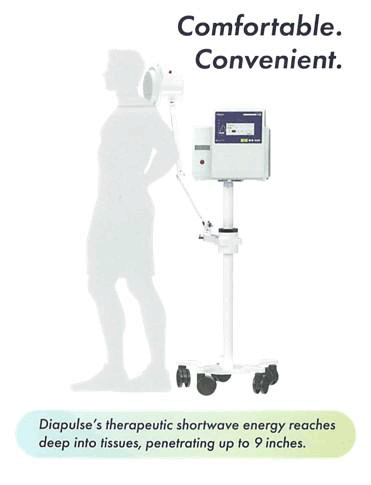
✓ 9-inch tissue penetration depth — reaches deep dermal layers, subcutaneous tissue, and underlying structures that surface-level therapies cannot access.
✓ Statistically significant edema reduction (p<0.01) — double-blind RCT demonstrated 3.5-fold greater edema reduction versus placebo after a single treatment session.
✓ 100% drug-free with zero reported side effects across 60+ years of clinical use — safe for repeated daily treatments on fragile burn tissue, pediatric patients, and immunocompromised individuals.
✓ Hands-free operation — once activated, the device runs unattended, freeing nursing staff to manage other patients in high-acuity burn environments.
THE BURN TREATMENT CHALLENGE
Burn injuries affect approximately 486,000 patients annually in the United States requiring medical treatment, with roughly 40,000 requiring hospitalization and an estimated 30,000 admitted to specialized burn centers. The clinical and economic burden is immense:
• Pain Management Crisis: Burn patients experience some of the most severe pain in all of medicine. Opioid dependency during prolonged burn recovery is a significant clinical and ethical concern. Any technology that reduces pain without pharmaceuticals directly addresses this crisis.
• Prolonged Hospital Stays: The average burn center stay ranges from 1 day per percent of body surface area burned for major injuries. At average burn center costs of $3,500–$8,000+ per day, even a modest acceleration in healing translates to substantial cost savings.
• Infection Risk: Every additional day with open or healing burn wounds increases the risk of sepsis and secondary infection — the leading cause of death in burn patients. Faster wound closure directly reduces mortality risk.
• Scarring and Contracture: Slower healing and prolonged inflammation lead to hypertrophic scarring and contracture. Accelerating the healing timeline during the critical window reduces long-term disfigurement and the need for costly reconstructive procedures.
• Skin Graft Recovery: Post-surgical edema and pain at both donor and recipient sites significantly impact graft viability and patient comfort. Rapid edema reduction improves graft outcomes and shortens the post-operative recovery period.
• Pediatric Burn Patients: Children represent a disproportionate share of burn admissions. Drug-free, non-contact treatment is especially valuable for pediatric patients who cannot tolerate repeated painful interventions.
Diapulse® directly addresses every one of these challenges by dramatically accelerating the healing timeline for burn injuries while eliminating the need for additional pharmaceutical interventions.
DOCUMENTED BURN HEALING RESULTS
Pediatric Second-Degree Facial Burns — Clinical Case Documentation
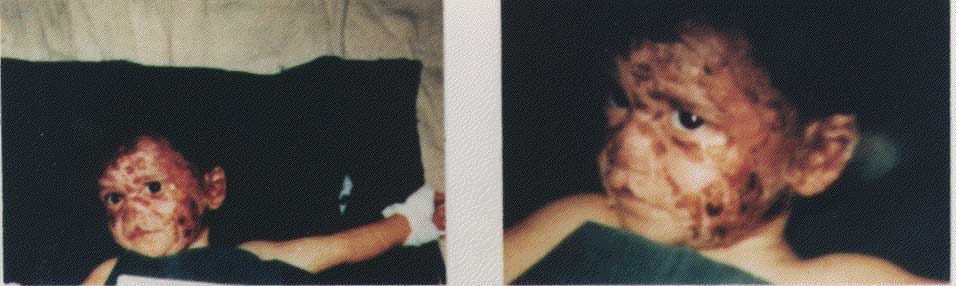
A pediatric patient presenting with second-degree burns to the face was treated with the Diapulse therapeutic system administered twice daily. Photographs taken prior to initial treatment (October 2) show extensive second-degree burn injury to the face, including front and side views documenting the severity of the burns.
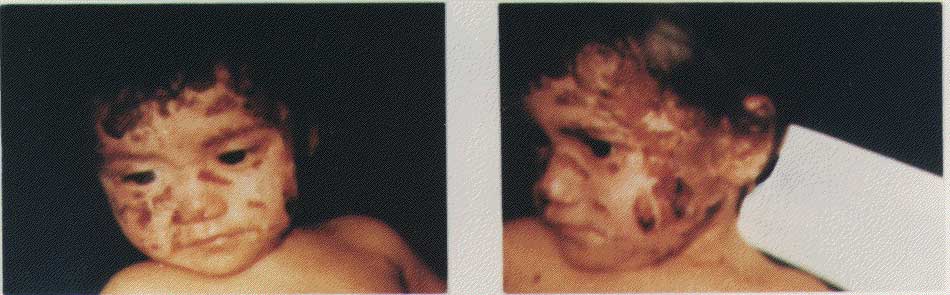
After just one day of treatment (October 3, two Diapulse sessions), photographs document visible reduction in inflammation and early healing response. By October 8 — just 7 days of twice-daily Diapulse treatments — the burns had fully healed with no scarring. This result was achieved without skin grafting, without surgical intervention, and without the extensive pharmaceutical protocols typically required for facial burns of this severity.
KEY CLINICAL OUTCOME
7 days of twice-daily Diapulse treatments healed second-degree facial burns in a pediatric patient with zero scarring — no surgery, no grafts, no pharmaceutical intervention required.
Child Face Burn Case Summary
Child hospitalized with first and second degree burns of the face after a gas stove accidentally exploded in her home.
• Oct. 2 — Photographs taken prior to first Diapulse treatment (front and side views). Five days after initial hospitalization, Diapulse therapy was instituted twice daily.
• Oct. 3 — Photographs taken after two Diapulse treatments. Visible reduction in inflammation documented.
• Oct. 8 — On October 4th she was discharged after a total of five Diapulse treatments. She returned for final check-up October 8th. Burns fully healed. No scarring.
HOW DIAPULSE® WORKS
The Diapulse® Therapeutic System delivers non-thermal, pulsed high peak power electromagnetic energy in the radio frequency spectrum at 27.12 MHz — the FCC-assigned medical shortwave frequency. Energy is emitted through a cylindrical treatment head directed at the burn site. No wires, electrodes, or skin contact required — it works through burn dressings, bandages, wound coverings, and compression garments.
Mechanisms of Action Relevant to Burn Healing
• Cell-Level Restoration: Restores the electrical potential of injured cells, reducing tissue swelling and accelerating the body’s natural repair mechanisms at the cellular level — critical for the massive cellular disruption caused by thermal injury.
• Enhanced Membrane Permeability: Cell membranes temporarily become more porous under treatment, enhancing drug absorption at the site and speeding the reduction of edema — particularly valuable for topical burn medications.
• Polarized Blood Flow: Mayo Clinic research discovered that blood cells under the Diapulse treatment head become polarized, traveling in aligned formations. This enables more efficient passage through damaged vessels and more than doubles blood flow to the injury site — essential for delivering oxygen and nutrients to healing burn tissue.
• Enhanced Oxygenation: Increased blood flow drives tissue oxygenation, promoting regeneration of damaged arteries, veins, capillaries, and nerves for complete structural healing — reducing the risk of chronic wound conversion.
• Non-Thermal Safety: The device pulses its output (off 25× longer than on), so any heat dissipates naturally — absolutely no risk of thermal tissue damage, which is paramount when treating patients who have already suffered thermal injury.
Technical Specifications and Clinical Evidence
Technical Specifications
| Parameter | Specification |
|---|---|
| Carrier Frequency | 27.12 MHz (11-meter band) |
| Pulse Repetition Rate | 80 to 600 pulses/second (adjustable) |
| Pulse Width | 65 microseconds |
| Power Per Pulse | 293 to 975 watts (adjustable) |
| Duty Cycle | 0.5% to 3.9% |
| Tissue Penetration | Up to 9 inches deep |
| Typical Treatment | 15–30 minute sessions; immediate application |
| Contact Requirement | None — treats through dressings, bandages, clothing |
CLINICAL EVIDENCE RELEVANT TO BURN CARE
Diapulse® is backed by 186+ peer-reviewed studies spanning institutions worldwide. The following results are directly relevant to hospital burn unit applications:
| Clinical Study | Burn-Relevant Application | Outcome | Link |
|---|---|---|---|
| Ionescu Burn Documentation (1978–1988) | Second-degree burn treatment, facial burns in pediatric patients | Complete healing of 2nd-degree facial burns in 7 days with twice-daily treatment; no scarring; no surgical intervention. | Accelerating-Burn-Healing-with-Diapulse.pdf |
| Goldin et al. Br. J. Plastic Surgery, 1981 (Double-Blind RCT) | Wound healing acceleration — directly relevant to burn wound closure | Statistically significant acceleration in wound healing rates vs. controls. | PMID: 7023583 |
| Pennington et al. Military Medicine, 1993 (RCT, n=50, Double-Blind) | Post-injury edema reduction — applicable to burn swelling | Statistically significant edema reduction (p<0.01) after a single treatment; 3.5× greater reduction vs. placebo. | PMID: 8441490 |
| Sharon, Clin. J. Nurs. Care Pract., 2019 | Drug-free pain management / opioid elimination — critical for burn pain protocols | 73% pain reduction; 26% completely discontinued opioid/NSAID therapy. | DOI: 10.29328/journal.cjncp.1001013 |
| Salzberg et al. Ostomy Wound Manage., RCT | Pressure ulcer healing — relevant to immobilized burn patients | Non-thermal pulsed EM energy significantly accelerated wound healing. | PMID: 7546114 |
| Itoh et al. Decubitus, 1991 (n=22) | Chronic wound healing — applicable to delayed-healing burns | 100% of wounds healed in the treatment group. | PMID: 1994961 |
| Comorosan et al. Rom. J. Physiology, 1993 (RCT) | Decubitus ulcer healing — comparable wound complexity to burns | 85% excellent outcomes in treatment group vs. 0% in controls. | PMID: 7982015 |
| Raji & Bowden J. Hand Surgery, London, 1983 | Peripheral nerve damage — relevant to deep burn nerve injury | Enhanced nerve regeneration and remyelination demonstrated. | PMID: 6603461 |
| Guo et al. Meta-Analysis, Annals of Surgery, 2012 (186 Studies) | Post-operative edema, pain reduction, wound healing | Statistically significant efficacy confirmed across the majority of global studies. | PMID: 22301609 |
| Cochrane Review EM Therapy for Pressure Ulcers | Systematic review of EM wound therapy | Evidence supports therapeutic benefit of pulsed EM therapy for wound healing. | PMC7138036 |
Published across journals including the British Journal of Plastic Surgery, British Journal of Sports Medicine, British Medical Journal, Journal of Hand Surgery, Military Medicine, Wounds, Decubitus, Annals of the New York Academy of Sciences, and numerous specialty publications.
Applications by Burn Type and Treatment Comparison
APPLICATIONS BY BURN TYPE & CLINICAL SETTING
| Burn Type / Setting | Primary Applications | Clinical Advantage |
|---|---|---|
| Second-Degree (Partial Thickness) | Acute edema reduction, pain management, accelerated epithelial regeneration, inflammation control | Documented 7-day healing timeline; reduced need for surgical intervention; minimal scarring. |
| Third-Degree (Full Thickness) | Post-debridement healing support, pre-graft tissue preparation, post-graft edema and pain reduction | Improved tissue bed quality for grafting; accelerated donor site healing; reduced post-surgical swelling. |
| Skin Graft Recovery | Donor site pain and swelling, recipient site graft integration, post-operative edema management | Faster graft take; reduced donor site morbidity; earlier patient mobilization. |
| Pediatric Burns | Non-contact pain reduction, edema management, accelerated healing without pharmaceutical burden | Drug-free treatment eliminates dosing concerns; non-contact application reduces treatment distress. |
| Facial / Cosmetic Burns | Inflammation control, accelerated healing in cosmetically sensitive areas, scar prevention | Documented scar-free healing; preserves aesthetic outcomes; reduces need for reconstructive procedures. |
| Inhalation-Adjacent Injuries | External neck and chest burn treatment, post-intubation tissue recovery | Non-contact treatment around sensitive airway areas; no interference with respiratory equipment. |
| Chronic / Non-Healing Burns | Stalled wound conversion, chronic inflammation, delayed closure | 100% wound healing demonstrated in chronic wound studies; restores stalled healing cascade. |
| Electrical Burns | Deep tissue injury, nerve damage, edema in entry/exit wounds | 9-inch penetration reaches deep tissue damage; enhanced nerve regeneration documented. |
WHY DIAPULSE® OUTPERFORMS OTHER BURN THERAPIES
| Feature | Diapulse® | Hyperbaric O₂ | Negative Pressure (VAC) | Topical Biologics |
|---|---|---|---|---|
| Power Output | Up to 975W per pulse | N/A (pressure-based) | N/A (suction-based) | N/A (chemical) |
| Penetration Depth | Up to 9 inches | Systemic | Surface/superficial | Surface only |
| Clinical Research | 186+ peer-reviewed | Moderate for burns | Growing | Moderate |
| Treats Through Dressings | Yes — no removal | No — chamber required | No — sealed system | No — direct application |
| Side Effects | None reported (60+ yrs) | Barotrauma, O₂ toxicity | Pain, bleeding risk | Allergic reactions |
| Staff During Treatment | None — hands-free | Dedicated technician | Monitoring required | Direct application |
| Consumables | None | O₂ supply | Sponges, canisters | Biologic agents |
| Pediatric Suitability | Excellent — painless | Limited — anxiety | Moderate | Variable |
| Cost Per Treatment | Low (no consumables) | High ($150–$500+) | Moderate–High | High ($500–$2,000+) |
RETURN ON INVESTMENT FOR BURN CENTERS
EVERY ADDITIONAL DAY IN THE BURN UNIT = $3,500–$8,000+ IN DIRECT COSTS Reducing a single patient’s stay by 2–3 days generates savings that exceed the annual cost of the Diapulse system.
✓ Reduced Length of Stay: Faster edema resolution, pain control, and wound closure mean patients clear discharge criteria sooner. The documented 7-day healing of second-degree burns represents a significant reduction compared to conventional 14–21 day timelines.
✓ Lower Pharmaceutical Costs: 73% pain reduction reduces reliance on opioid protocols, IV analgesics, and anti-inflammatory medications — generating direct savings to the pharmacy budget while reducing opioid-related complications.
✓ Reduced Surgical Intervention: Accelerated healing may reduce the need for skin grafting in cases where conventional therapy would result in wound conversion. Each avoided graft procedure saves $10,000–$40,000+ in surgical and anesthesia costs.
✓ Decreased Infection Rates: Faster wound closure reduces the window of infection vulnerability. Each prevented sepsis episode avoids $20,000–$50,000+ in ICU costs and dramatically improves mortality outcomes.
✓ Staff Efficiency: Hands-free, unattended operation means nursing staff can manage other patients during treatment. No dressing removal required reduces nursing time per treatment to under 2 minutes for setup.
✓ Reduced Readmission Rates: More complete healing at discharge reduces 30-day readmission rates — protecting the facility’s quality metrics and avoiding CMS readmission penalties.
KEY FINANCIAL BENCHMARK
Clinical data projects $65,000+ in annual savings per Diapulse® unit through reduced treatment time, fewer interventions, and faster patient throughput. In a burn center environment, actual savings are likely substantially higher.
Regulatory and Safety Profile
| Regulatory Item | Detail |
|---|---|
| FDA Indicated Use | Palliative treatment of postoperative edema and pain in superficial soft tissues. |
| Device Classification | Pre-amendment Class III electromagnetic energy device; legally marketed prior to May 28, 1976 and grandfathered under FDA regulations. |
| Safety Record | No reported side effects or complications across decades of clinical use. Safe for any body area, any frequency of treatment, including fragile burn tissue and pediatric patients. |
| Medicare / CMS Reimbursement | CMS established national coverage for electromagnetic stimulation therapy for chronic wound treatment in December 2003 (NCD CAG-00068N). Covered indications include chronic Stage III/IV pressure ulcers, arterial ulcers, venous stasis ulcers, and diabetic ulcers — providing an additional revenue pathway for burn centers managing chronic wound populations. |
| IP & Brand Ownership | Diapulse Technologies, LLC holds all intellectual property, brand assets, and 21 patents. First new devices built in 2025 in modernised solid-state design. |
Legacy, Military, and Global Medicine References
Critical Safety Advantage for Burn Patients: Diapulse’s non-thermal mechanism is uniquely important in burn care. Unlike conventional diathermy, ultrasound, or other thermal modalities that are contraindicated in burn treatment due to the risk of additional thermal injury, Diapulse’s pulsed delivery (off 25× longer than on) ensures zero thermal effect on tissue. This makes it the only clinical-grade electromagnetic therapy that can be safely applied directly over active burn wounds.
A LEGACY TRUSTED BY THE U.S. MILITARY & GLOBAL MEDICINE
The Diapulse prototype was developed in the early 1930s at Princeton University by Dr. Abraham J. Ginsberg, a physician, and Arthur Milinowski, a physicist. Dr. Albert Einstein, a close friend of Ginsberg, reportedly advised in the development of the treatment algorithms. The technology was commercialized in 1957 by Dr. Ginsberg and Dr. Jesse Ross, a biophysicist who co-founded the Bioelectromagnetic Society and served as a NASA consultant.
• U.S. Military Validation: The U.S. military’s Tri-Service Research Program studied Diapulse in the 1950s and concluded it was safe and effective for treating combat injuries, including burns.
• Olympic Use: The Olympic Committee ordered 100 Diapulse machines at each of five Olympic Games; thirty Olympic nations maintained their own devices.
• Insurance Industry Validation: Featured in the Journal of Insurance Medicine for cost-effectiveness — Mutual Benefit Life Insurance treated nearly 1,000 employees.
• Mayo Clinic Research: Confirmed the “pearl chain” blood flow enhancement effect, critical for wound healing.
• Ionescu Burn Study: The Ionescu burn study (1978–1988) provided a decade of longitudinal evidence specifically for burn treatment applications.
• FDA Vindication: After a 19-year FDA regulatory battle, the device was ultimately FDA-approved, vindicating the underlying technology.
• Reborn 2023: Diapulse Technologies, LLC established, acquiring all intellectual property, brand assets, and 21 patents. First new devices built in 2025, featuring modernized solid-state design for reliability in demanding clinical environments.
Child hospitalized with first and second degree burns of the face, when a gas stove accidentally exploded in her home.
• Oct. 2: Photographs taken prior to first Diapulse treatment (front and side views). Five days after initial hospitalization, Diapulse therapy was instituted twice daily.
• Oct. 3: Photographs taken after two Diapulse treatments. Visible reduction in inflammation documented.
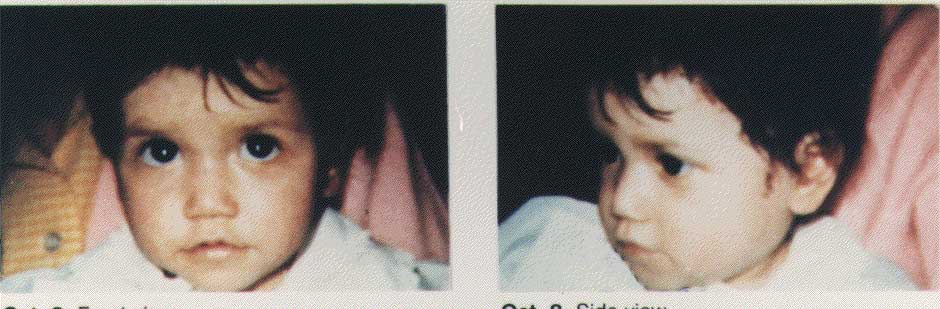
• Oct. 8: On October 4th she was discharged, after a total of five Diapulse treatments. She returned for final check-up October 8th, when final photographs were taken.
Appendix: Clinical Studies and References
Diapulse Technologies | Pulsed RF Energy — Verified Clinical Evidence Base | Updated: April 2026
Disclaimer: PRFE vs. PEMF Terminology Clinical reports or publications that describe the Diapulse® device as employing Pulsed Electromagnetic Field (PEMF) therapy may contain inaccurate terminology. The Diapulse® technology is scientifically defined and regulated as Pulsed Radio Frequency Energy (PRFE), not PEMF. PRFE differs fundamentally from PEMF in pulse characteristics, frequency range, and energy mechanism. The Diapulse® system delivers short, high-peak pulses of non-thermal radio frequency energy. Any clinical references mislabeling PRFE as PEMF do not accurately represent the physics or regulatory classification of the Diapulse® device.
The following is a comprehensive index of published clinical studies, regulatory documents, and practitioner references relevant to burn care applications of Diapulse® technology. PubMed and DOI links have been audited and verified as of April 2026.
| # | Type | Study / Document | Year | Reference / Link |
|---|---|---|---|---|
| 1 | Clinical | Accelerating Burn Healing with Diapulse — Ionescu (before/after photos compilation) | 1978–88 | Accelerating-Burn-Healing-with-Diapulse.pdf |
| 2 | RCT | Effects of Diapulse on wound healing: double-blind RCT — Goldin et al., Br. J. Plastic Surgery | 1981 | PMID: 7023583 |
| 3 | RCT | Pulsed EM energy in ankle sprains (n=50, double-blind) — Pennington et al., Military Medicine | 1993 | PMID: 8441490 |
| 4 | RCT | Non-thermal pulsed EM energy on pressure ulcer healing — Salzberg et al., Ostomy Wound Manage. | 1995 | PMID: 7546114 |
| 5 | RCT | Effect of Diapulse on decubitus ulcer healing (85% vs 0%) — Comorosan et al., Rom. J. Physiology | 1993 | PMID: 7982015 |
| 6 | Clinical | Accelerated wound healing of pressure ulcers (n=22, 100% healed) — Itoh et al., Decubitus | 1991 | PMID: 1994961 |
| 7 | Clinical | Treatment of hand injuries by pulsed EM energy — Barclay et al., Physiotherapy | 1983 | PubMed Search |
| 8 | Clinical | Effects of Diapulse on wound healing in experimental animals — Constable et al. | 1971 | PubMed Search |
| 9 | Clinical | Effects of pulsed EM field on nerve repair — Raji, J. Hand Surgery (Br) | 1984 | PMID: 6747406 |
| 10 | Meta | Meta-analysis of 186 PRFE studies — Guo, Kubat, Nelson & Isenberg, Annals of Surgery | 2012 | PMID: 22301609 |
| 11 | Review | PRFE for Drug-Free Pain Mgmt / Opioid Elimination — Sharon, Clin. J. Nurs. Care Pract. | 2019 | DOI: 10.29328/journal.cjncp.1001013 |
| 12 | Cochrane | EM therapy for treating pressure ulcers — Cochrane Review, Aziz & Bell-Syer | 2015 | PMC7138036 |
| 13 | Review | Pulsed EM (short-wave) energy therapy — Goats, Br. J. Sports Med. | 1989 | PMID: 2670159 |
| 14 | Research | Biological Effects of Pulsed High Peak Power EM Energy Using Diapulse® — Ross, in Emerging Electromagnetic Medicine (Springer) | 1990 | DOI: 10.1007/978-1-4612-3386-2_16 |
| 15 | CMS | National Coverage Decision: Electrostimulation for Wounds — CMS.gov | 2004 | CMS NCD |
The original Diapulse Corporation’s published bibliography includes over 80 additional studies. Organizations are encouraged to request the complete bibliography from Diapulse Technologies, LLC.
DISCLAIMER: This document is for informational purposes only and is intended for burn center medical directors, attending physicians, wound care nurses, and clinical decision-makers. Clinical outcomes referenced herein are based on published peer-reviewed studies and documented clinical cases; individual patient results may vary based on burn severity, body surface area involved, treatment protocol, and other factors. Diapulse® is FDA-indicated for palliative treatment of postoperative edema and pain in superficial soft tissues. All trademarks are property of their respective owners.
SCHEDULE AN ONLINE MEETING WITH US
We would welcome the opportunity to host your Burn Center Medical Director and clinical team for an exclusive online presentation — one that brings to life the remarkable history and compelling clinical outcomes behind Diapulse®. This session is tailored specifically to your facility, allowing your team to evaluate the device’s direct application within your burn unit, wound care, and rehabilitation protocols.
Email: info@diapulse.com | Phone: (321) 599-3959 Ron Peri, President & CEO | David J. Stob, Executive Vice President