Diapulse® Therapeutic System
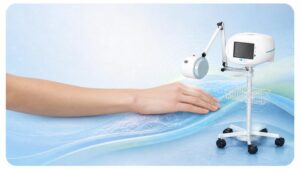
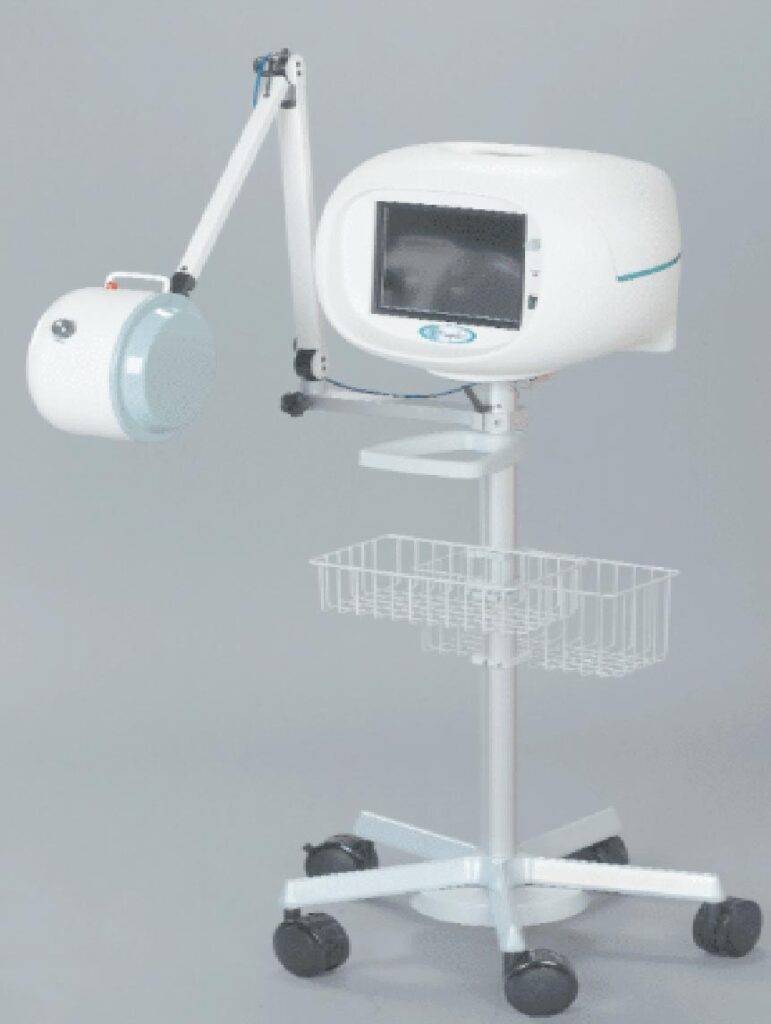
The Diapulse® Therapeutic System is a high-tech state-of-the-art method of treating acute and chronic wounds. The proprietary system produces pulsed high frequency, high peak power non-thermal, electromagnetic energy radio-waves.
The body is as much electrical as it is chemical. Through decades of scientific and clinical research published in medical journals around the world, Diapulse® is proven to be a safe effective adjunctive means for treating wounds and patient recovery and comfort.
Diapulse® is indicated for the palliative treatment of postoperative edema and pain in superficial soft tissues.
With no wires to attach to a patient. Diapulse® can be used safely over any area of the body with no danger of hyperpyrexia or tissue damage.
Saves Time
Diapulse® treatments can be applied through bandages, dressings and clothing.
Easy to use
Simply place the Diapulse® treatment head over the wound area. Less than 2 minute setup time per patient.
Un-attended Treatment
Following facility protocols and once activated for treatment, The staff member has the ability to continue with other duties.
No side-effects or complications
Diapulse® designed for safety. Any area of the body can safely be treated.
Helps the body heal itself
Increases and accelerates the bodies healing capabilities.
Portable
The Diapulse® is easily rolled from room to room and can treat many patients.
No Disposables
Reduces costs / increases revenue.
Happier Staff
Less work to treat wounds.
Medicare
Diapulse® is covered for payment to facilities for chronic stage III or stage IV pressure ulcers, arterial ulcers, and venous stasis ulcers.
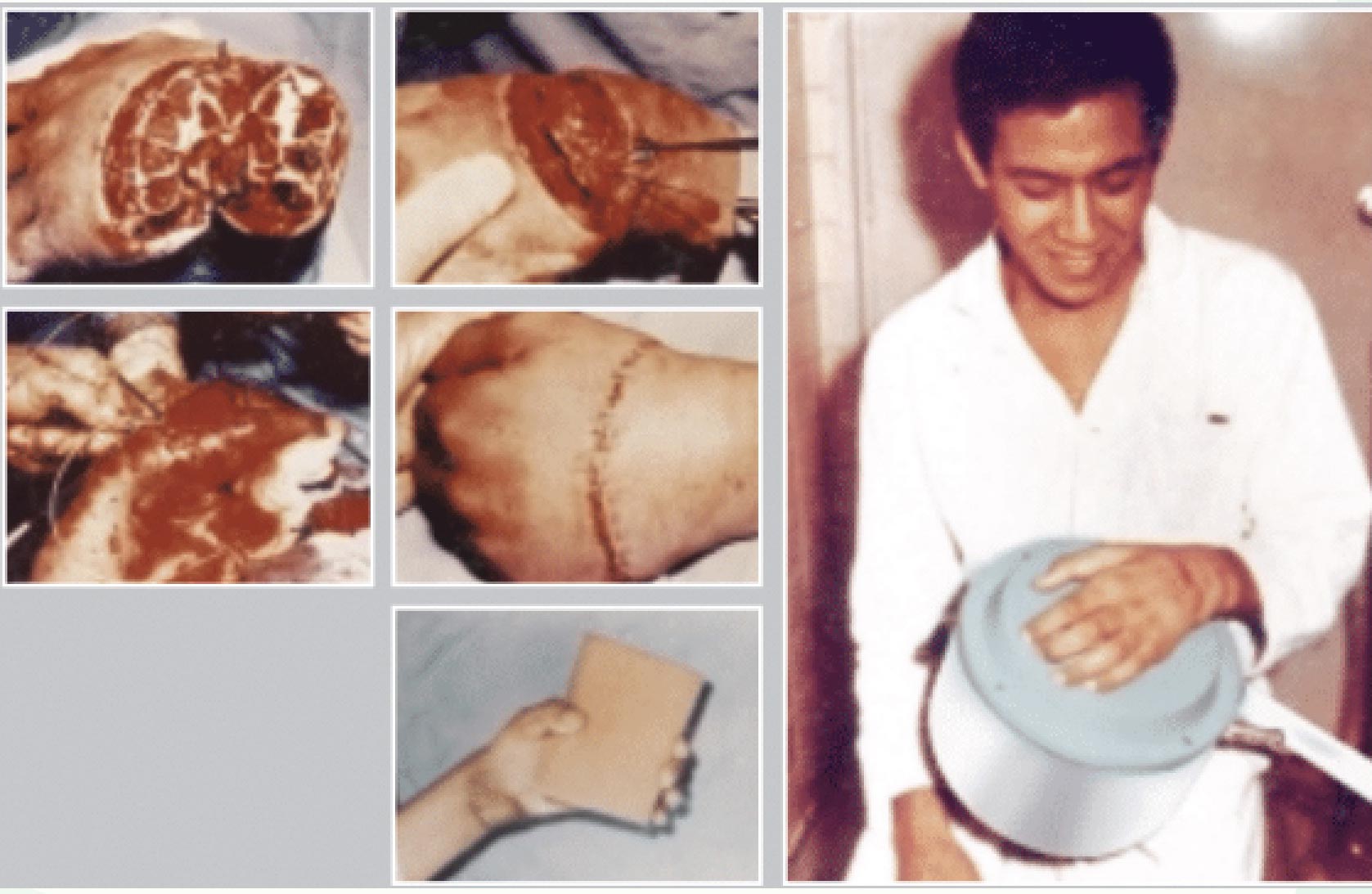
Hand Injury Case
Patient’s Hand was severed at the wrist. A tourniquet was applied to stop bleeding and patient was rushed to a local hospital. The initial intention was to complete the amputation, as all vital elements were completely cut. However, a prominent plastic surgeon was contacted and he gave orders for the local doctors to suture the Radial and Ulnar arteries to stop the bleeding and to keep the hand in an ice bag until the patient could be transferred to the surgeon’s hospital.
Diapulse therapy was instituted immediately after surgery and continued twice daily for 1 month. The patient’s progress was unusually good. No infection developed and there was very little edema. The healing was excellent and exceptionally fast. Within 4 months after surgery he could touch the palm of his hand with the tips of his fingers, lift several pound weights in rhythmic exercise and squeeze a rubber ball.